
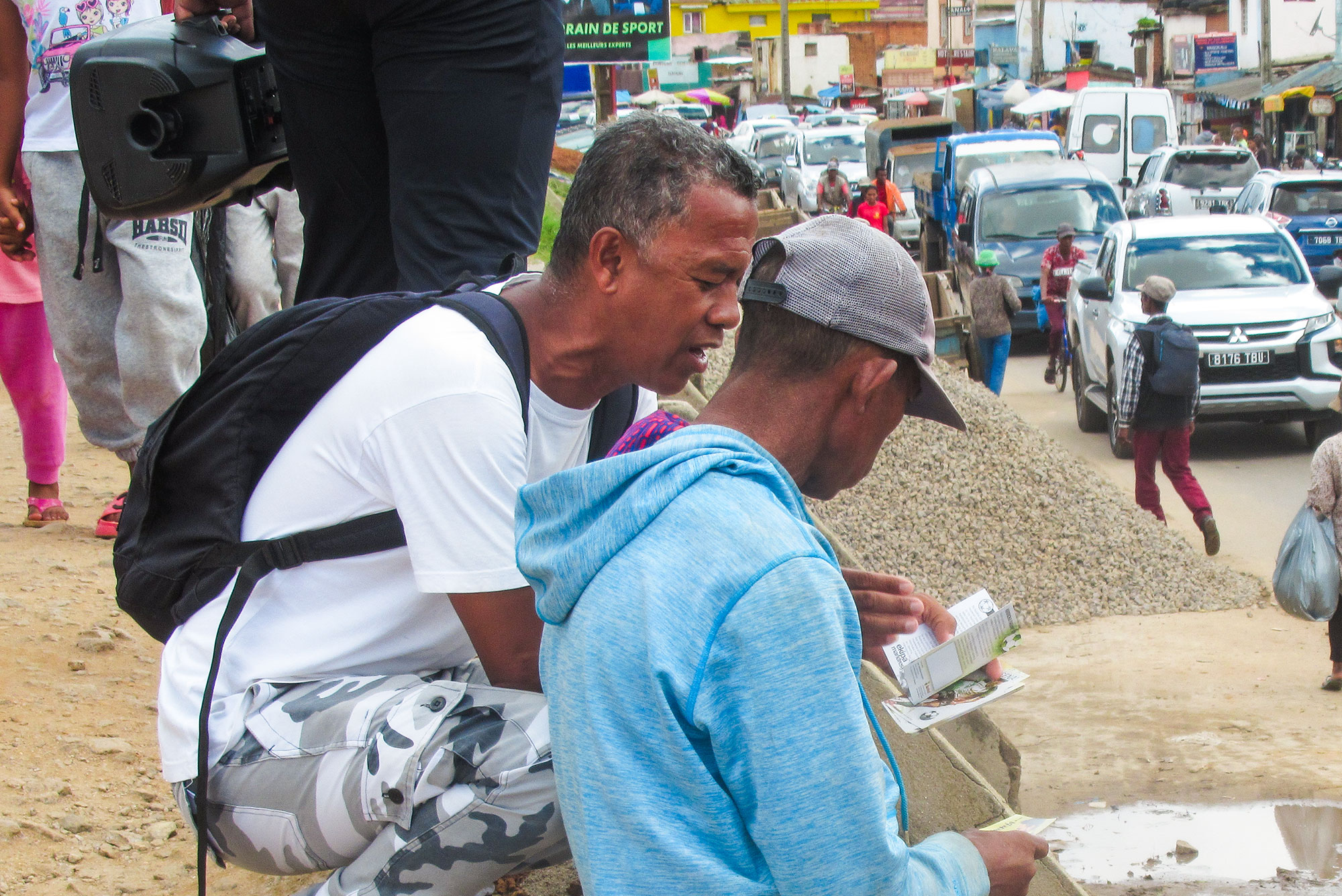
When we use the phrase to carry, we mean to embody, live out, and represent something held inwardly—such as one’s culture, beliefs, or convictions—in a way that shapes attitudes, behaviors, and relationships. It implies more than simply possessing beliefs; it means expressing them through one’s lifestyle. It speaks to identity, representation, and responsibility. What someone carries becomes visible, tangible, and demonstrated in how they live.
As Christ Carriers, our deep-rooted conviction that Jesus—and Jesus alone—is the hope of the world should be seen in every aspect of our lives.
Speaking hope to our neighbors must always be done with care and grace. In his first letter, Peter instructs believers on both what and how we are to carry Christ:
“But in your hearts revere Christ as Lord. Always be prepared to give an answer to everyone who asks you to give the reason for the hope that you have. But do this with gentleness and respect” (1 Peter 3:15).
The hope we carry steadies us in a world that is anything but steady. And it is this very hope that must be shared. When Paul wrote to the church in Colossae, he celebrated how faithfully they carried Christ by declaring the Gospel with grace:
“We always thank God… because we have heard of your faith in Christ Jesus and the love you have for all God’s people—the faith and love that spring from the hope stored up for you in heaven… This gospel is bearing fruit and growing throughout the whole world” (Colossians 1:3–6).
Three words stand out in these passages: Gospel, Hope, and Grace. Understanding these three truths helps shape how we carry Christ to the world.
The Gospel
The word gospel comes from the Greek euangelion, meaning simply “good news.” The word evangelism is formed from eu (good) and angellein (to announce or proclaim). Evangelism is the verbal proclamation of the truth and love of Jesus Christ—which is always good news.
The Gospel declares who Jesus is and what He offers: redemption. The Good News proclaims that God is for people, not against them; that those far from Him are not objects of His wrath but of His love. Good news is meant to be communicated. It is not something we hide—it is something we carry and share.
Hope
The word hope (elpis) appears more than eighty times in the New Testament. Biblical hope is not wishful thinking or uncertainty; it is a confident expectation based on the character and promises of God. Paul writes that this “knowledge of the truth… gives us the hope of eternal life, which God, who does not lie, promised before the beginning of time” (Titus 1:1–2).
When we speak hope, we speak of our confidence that by trusting in Jesus—by declaring with our mouth that Jesus is Lord and believing in our hearts that God raised Him from the dead—we are saved (Romans 10:9). We are rescued from the judgment we deserve because Christ paid the price for our salvation. This is our eternal hope.
Grace
Grace (charis) is the unmerited favor of God freely given to us. Paul reminds us that we are saved by grace through faith, not by works (Ephesians 2:8–9). As we carry Christ to our neighbors, we must speak with the same grace that saved us.
It is easy to speak truth without tenderness—to communicate facts without compassion. But this is not the way we are called to carry Christ. Paul instructed the believers in Colossae:
“Be wise in the way you act toward outsiders; make the most of every opportunity. Let your conversation be always full of grace, seasoned with salt, so that you may know how to answer everyone” (Colossians 4:5–6).
Peter echoes this same posture when he urges us to speak with gentleness and respect. Grace is what gives truth its healing power.
Carrying Christ Through Our Words
As Christ Carriers, we are called to communicate the Gospel by speaking hope, sharing good news, and filling our conversations with grace. We do this with humility, remembering what Paul told Titus:
“At one time we too were foolish, disobedient… But when the kindness and love of God our Savior appeared, He saved us—not because of righteous things we had done, but because of His mercy… so that, having been justified by His grace, we might become heirs having the hope of eternal life” (Titus 3:3–7).
We speak hope because we have been rescued by hope.
We show grace because we were saved by grace.
We announce the Gospel because good news transformed our lives.
When our words are filled with the Gospel, shaped by hope, and seasoned with grace, they become instruments of God’s redemption. This is how we carry Christ—through what we say and how we say it.
David Schaal
