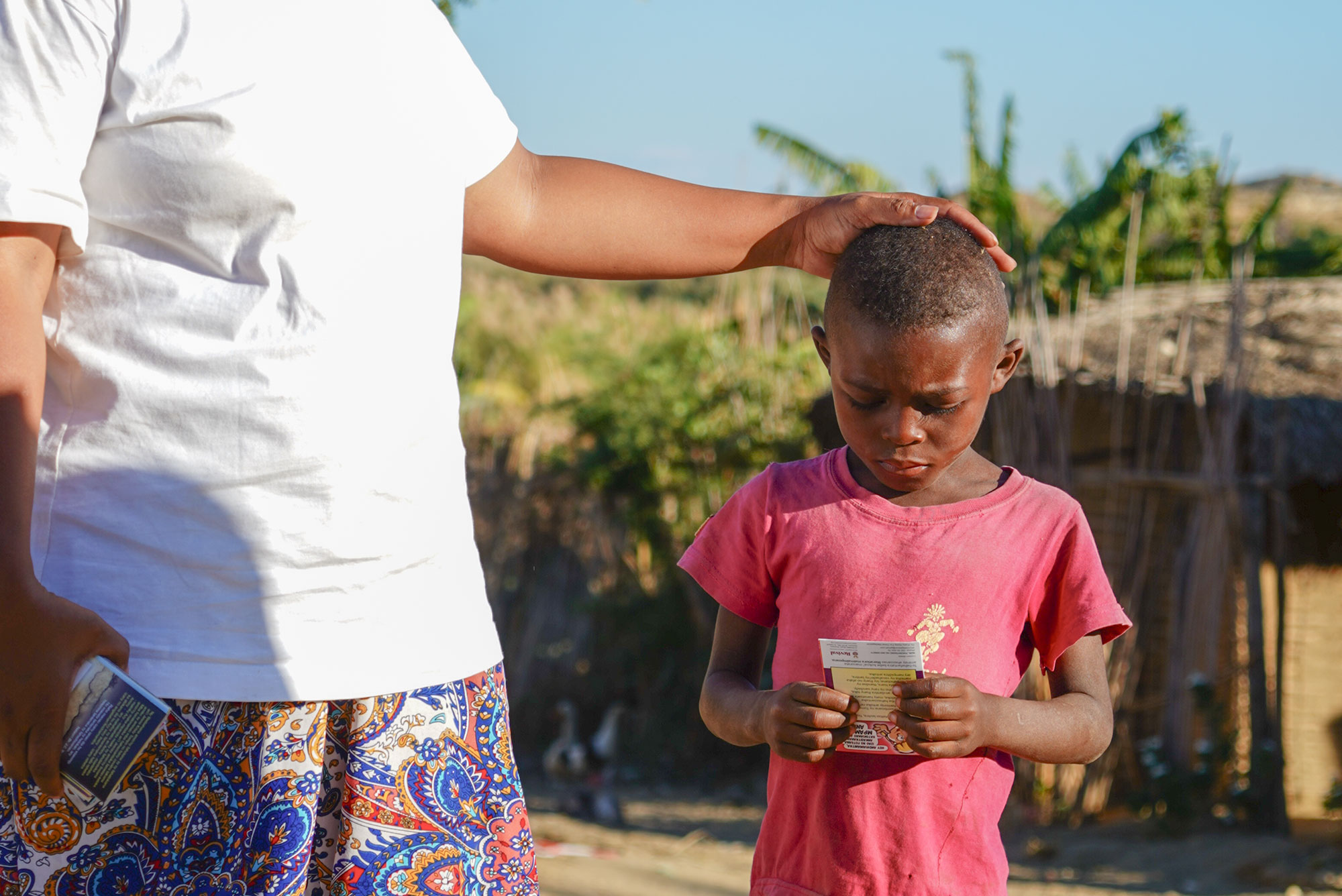
There is a moment—sometimes small, sometimes unexpected—when you truly see someone. Not with hurried eyes or half-attention, but with full, quiet awareness that this person is loved by God and placed before you on purpose. In ministry, these moments are easy to rush past because we are focused on goals, numbers, deadlines, or the next emerging need. But I am increasingly convinced that the real work of carrying Christ begins long before action. It begins with seeing.
Seeing is more than noticing. Seeing is compassion. It is the spiritual discipline of allowing another person’s story, fears, hopes, and dignity to matter to you. It is the posture Jesus held so consistently—when He saw the crowds and had compassion, when He noticed Zacchaeus in the tree, when He stopped for a blind man others dismissed, when He welcomed children rushing toward Him. Compassion, as Christ modeled it, is not merely an emotion we feel; it is a way of attending to people with a heart open enough that action becomes the natural next step.
In our work around the world, we often talk about multiplication—more homes reached, more disciples formed, more churches ignited into mission. And multiplication is beautiful. It is holy. But if we’re not careful, multiplication can quietly become a pressure instead of a promise. We begin to believe impact is something we must generate, compare, or control. We start chasing outcomes instead of practicing obedience.
Scripture offers us a deeply freeing truth: multiplication is God’s responsibility, not ours. Our responsibility is faithfulness.
When Jesus speaks of the mustard seed, He isn’t only making a point about size. A mustard seed is tiny—almost forgettable—and yet, biologically speaking, it contains within itself the full genetic design of the tree it will become. Nothing about the tree is foreign to the seed. Everything that will be multiplied later is already present in potential.
This is both sobering and empowering for our ministry. It means that the grand, multiplied work of Every Home—the scale, the reach, the global coordination—contains within it the DNA of the seeds we plant. If the seed is compassion, humility, and faithful love, the tree will reflect those qualities as it grows. But if the seed is hurried, impersonal, prideful, or transactional, the tree will bear that fruit as well.
A defective seed will grow a defective tree.
A Christ-shaped seed will grow a Christ-shaped movement.
This perspective reshapes how we think about scale. We absolutely reach for bold goals at Every Home—and we should. Our mission is global because God’s love is global. But I want to say this clearly: scale is not our primary aim. Scale follows, by God’s grace, from small, consistent, repeated acts of faithfulness. Multiplication follows obedience. The vastness of the tree is simply the natural outgrowth of the DNA present in the seed we choose to sow.
As a father of three, I am constantly reminded that my children imitate my behavior far more faithfully than they follow my advice. We form our children through small, consistent patterns, not grand speeches. Nothing drives me more quickly to humility—and to prayer—than this truth. I cannot shape them by who I intend to be, only by who I actually am. They see it all. And so does our Father in heaven.
Yet it is precisely in this transparent, vulnerable place that God shows us the most grace and grows us the most deeply.
In Matthew, Jesus urges His followers to pray, give, and do good works in secret—trusting that the Father who sees what is hidden will reward it (Matthew 6:1–6). The hiddenness is part of the design. The seed does its deepest work underground, beyond applause, beyond measurement. Only God knows how far a faithful act will travel or how many lives it will one day shelter.
So as we continue leading, serving, and guiding teams across continents, I pray we remain attentive to the kind of seeds we are planting each day. May we see people with compassion. May our actions be faithful, simple, and sincere. And may we trust that the God who designed the mustard seed—and who placed His own DNA of love within us—knows exactly how to turn our small, hidden seeds into trees that offer shade to nations.
Josh Mahoney